Updated December 5, 2025 09:32AM
If you buy through our links, we may earn an affiliate commission. This supports our mission to get more people active and outside.Learn about Outside Online's affiliate link policy
The Best Climbing Helmets of 2025, Tested
Tested on real rock, these top picks offer standout protection, ventilation, and comfort when it matters most.
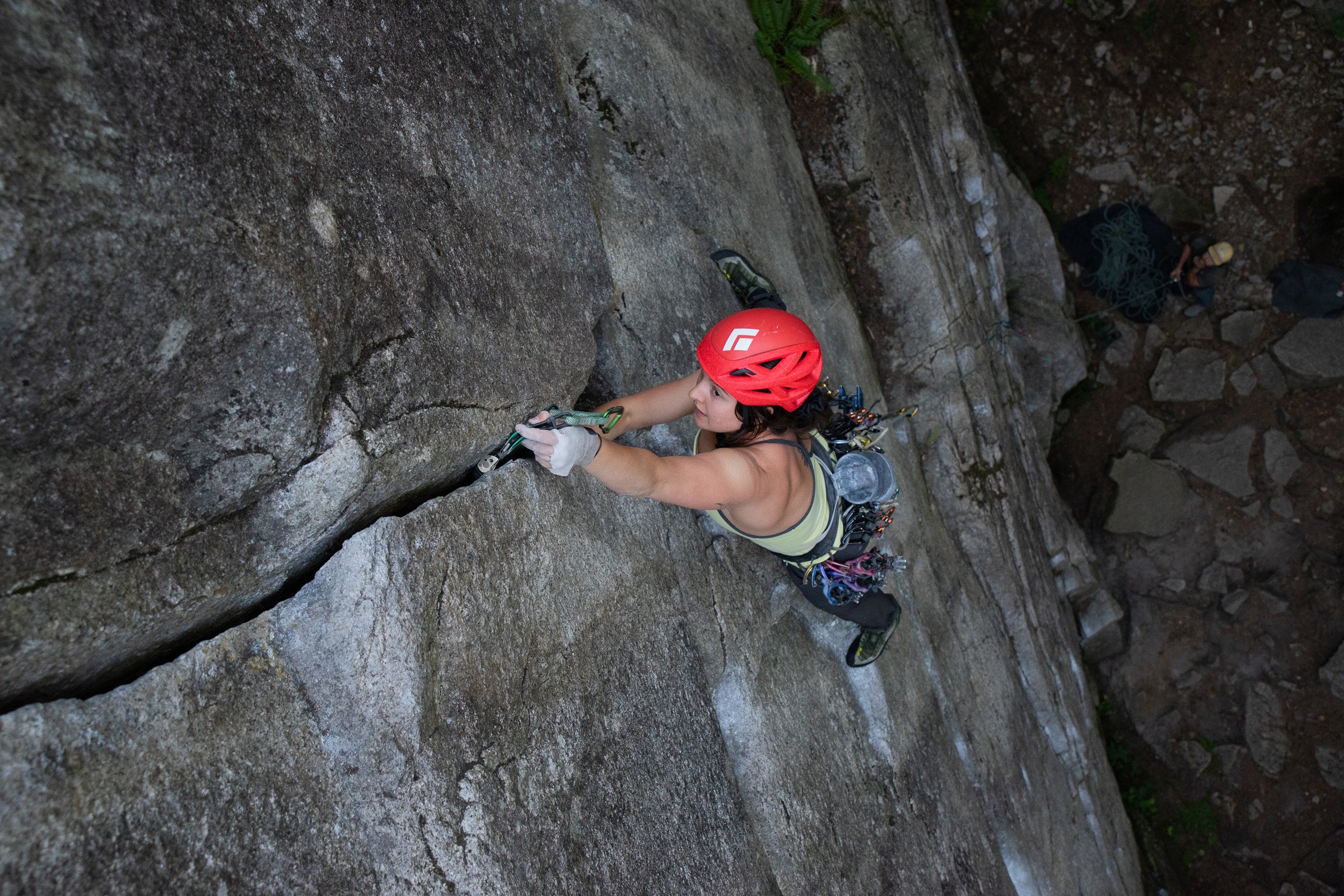
Emilie Grenier places a solid cam after the poorly protected start of Genesis (5.10a) in Squamish, B.C. (Photo: Anthony Walsh)
Table of Contents
Whether you’re a climber who always wears a helmet or one who tends to skip it, there’s no debating that helmets are your best defense against rockfall and other unexpected hazards while climbing outside. And while choosing a climbing helmet might seem straightforward, it’s worth taking the time to find one that’s comfortable, lightweight, breathable, and fits properly—because actually liking your helmet makes you far more likely to wear it consistently.
To help you narrow the field, our team of testers put 15 climbing helmets through real-world use at crags across the country. After months of comparing comfort, protection, and performance, these are our seven favorite climbing helmets of 2025.
Updated December 2025: We added two new helmets to this list, including our new “Best Value” pick, the Metolius Hardtop. We also updated pricing and info on other helmets that we previously tested and still highly recommend.
At a Glance
- Best All-Around: Black Diamond Vision ($110)
- Best Value: Metolius Hardtop ($65)
- Best For Big Wall Climbing: Mammut Crag Sender ($100)
- Most Durable: Wild Country Syncro ($100)
- Best Ultralight: Black Diamond Vapor ($170)
- Most Sustainable: Edelrid Zodiac 3R ($80)
- Best for Small Heads: Trango Halo ($85)
Best All-Around
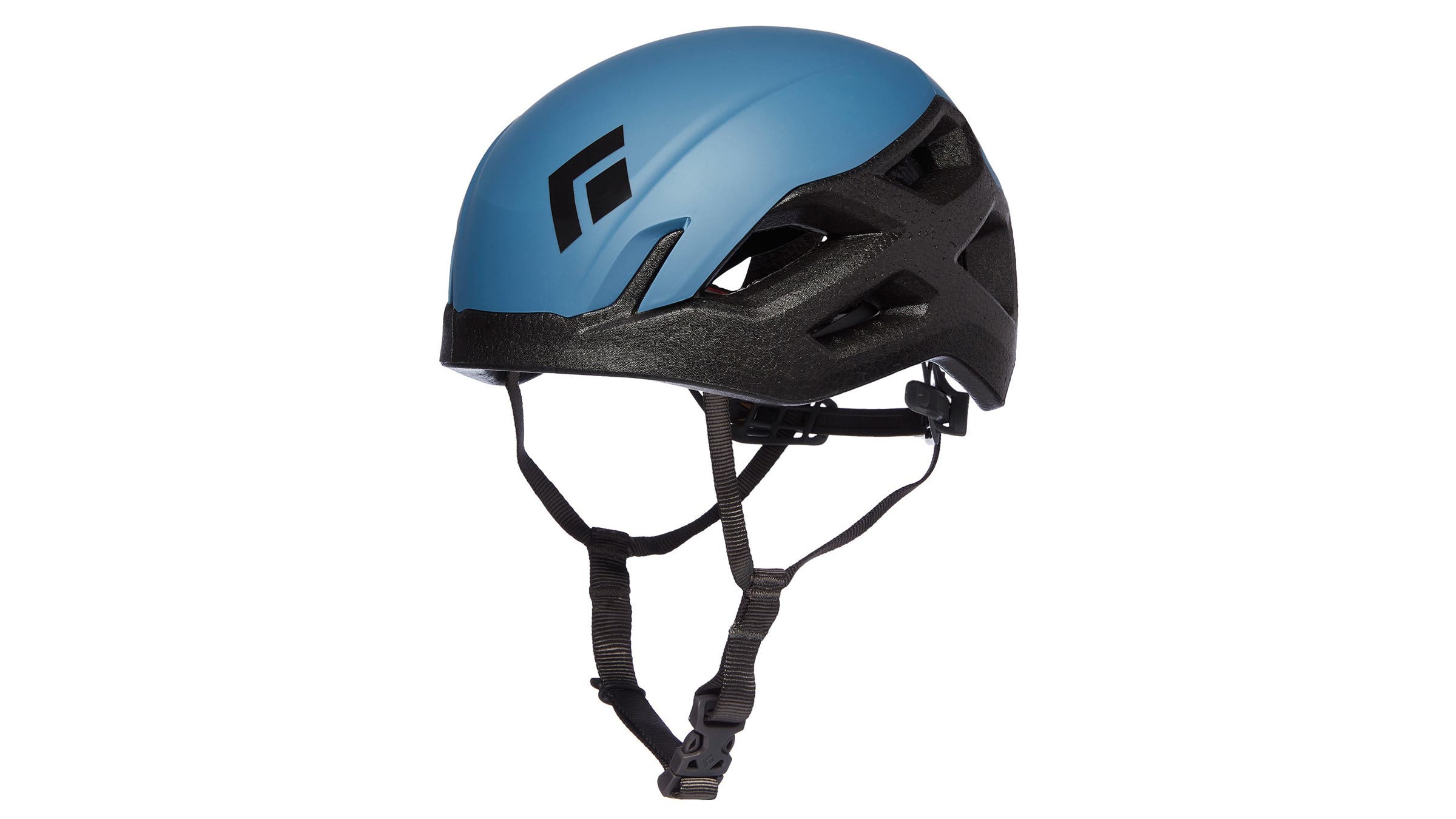
Black Diamond Vision
Weight: 7.6 oz (S/M)
Size: S/M, M/L (unisex)
Pros and Cons
+ Lightweight
+ Breathable
+ Good value
– Hardshell portion scratches easily
The Black Diamond Vision offers the best of both worlds when it comes to comfort and weight. Made from mostly foam, with a plastic, ABS hardshell covering a portion of the top of the helmet, the Vision is impressively light at 215 grams. We tested lighter helmets, including the Edelrid Salathe Lite and the Black Diamond Vapor, but these cost $40 to $60 more than the Vision, and that extra money only shaved off a few ounces.
Testers commented on the easy adjustability of this helmet. It has a ribbed, horizontal plastic piece that rests on the base of the skull; you adjust it by notching a piece of plastic on both sides onto the ribs. The ribs are so close together that the fit is highly customizable, so you can get the helmet just where you want it.
The Vision also impressed us with its breathability thanks to the large, oblong vents that cover most of the sides of the helmet. We wore the Vision in 90-degree-plus temperatures in Jackson Falls, Illinois, and noticed minimal excess sweating. While we brought four helmets to test on that climbing trip, we reached for the Vision on a send burn because it was the lightest and most comfortable of the helmets in our quiver.
ADVERTISEMENT
Tester Claudia Sczpeaniak found the Vision so light and airy that she forgot she was wearing it, even during 10-hour climbing days in Rifle, Colorado. “I could wear it all day and didn’t notice it on my head at all,” she says. While light, the Vision doesn’t skimp on comfort: The soft, removable mesh padding on the forehead and crown of the helmet adds cushion.
One con: The hardshell top got scuffed up easily, as one tester found while tossing her helmet off after a particularly sweaty burn. These are only cosmetic damages, but they do make the helmet look older than it is.
Best Value
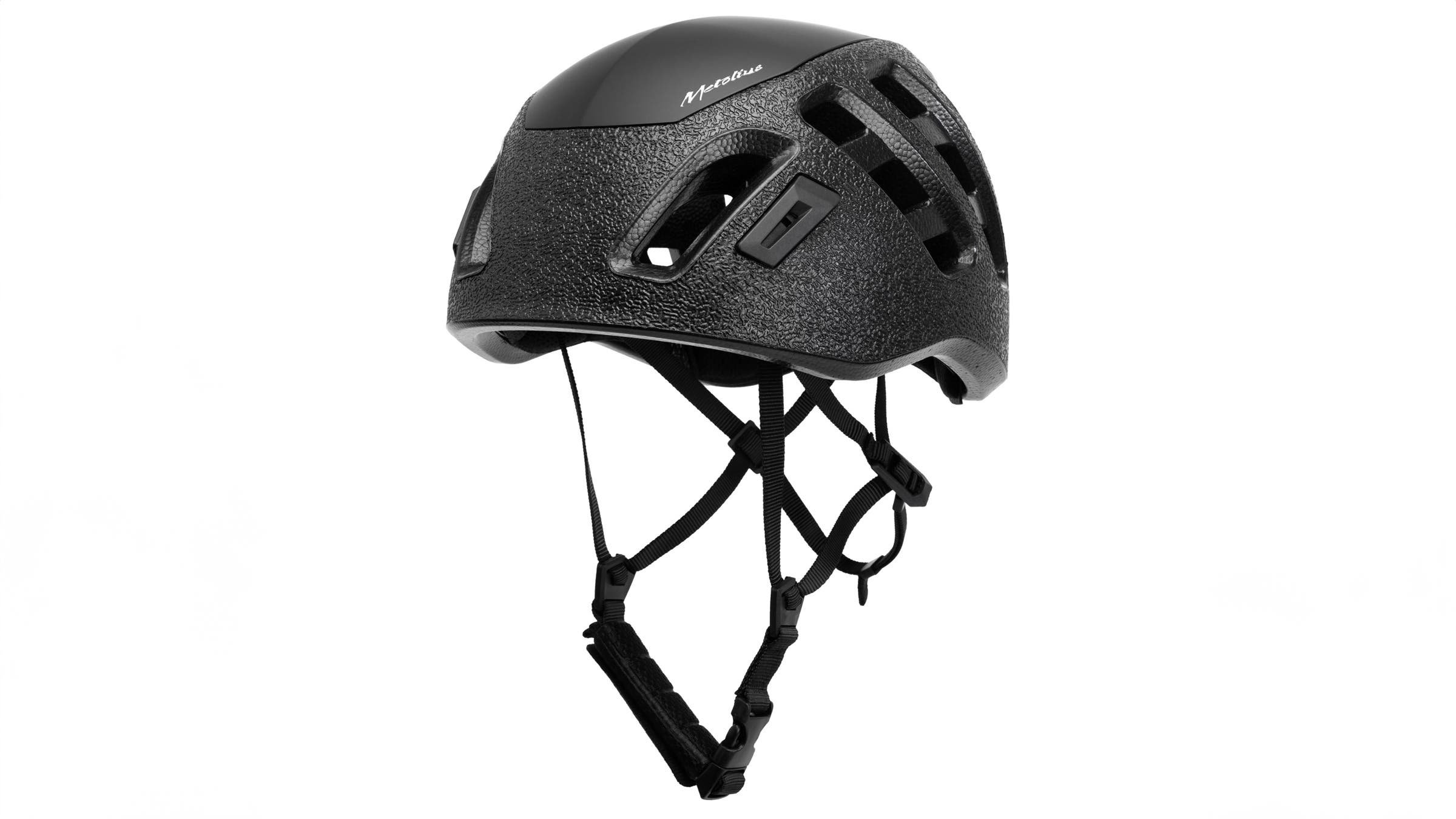
Metolius Hardtop
Weight: 8.8 oz (S/M); 9.5 oz ( M/L)
Size: unisex S/M and M/L
Pros and Cons
+ Comfortable
+ Affordable
– Foam construction makes it less durable
It’s rare to find a climbing helmet under $70 that weighs less than 10 ounces—which is exactly what makes the Metolius Hardtop a unicorn. Among other helmets in the $60 range, it stands out for offering substantially more internal padding while weighing noticeably less.
The Hardtop is built almost entirely of foam, with a hardshell panel on top to protect the areas most likely to take a hit. I wore it while climbing several roofs in Illinois and Kentucky, and—as someone who’s deeply uncoordinated—I managed to bonk my head more than a few times while searching for holds. The helmet came away with only cosmetic scratches.
Inside, the generous padding was one of my favorite features. Even with a correct fit, some climbing helmets leave excess room that makes them wobble; the Hardtop’s foam lining on the top and sides kept it planted and comfortable. Ventilation is solid, too. With 21 openings across both sides, I stayed cool and dry even on 80-degree days. The removable padded chin-strap sleeve is another small but welcome perk for anyone who prefers a softer feel against the skin.
ADVERTISEMENT
The main tradeoff comes from the Hardtop’s near–all-foam construction. That design is what keeps the weight down, improves breathability, and helps maintain the affordable price—but it also makes it less durable. A significant impact to the foam around the sides or back would likely end its lifespan. Mine showed no signs of wear during testing, but it’s worth keeping durability in mind if you’re tough on gear.
Despite that caveat, the Hardtop delivers impressive comfort, stability, and ventilation at a price that’s hard to beat. For climbers who want a lightweight, well-padded helmet without spending much, it’s an easy recommendation.
Best For Big Wall Climbing
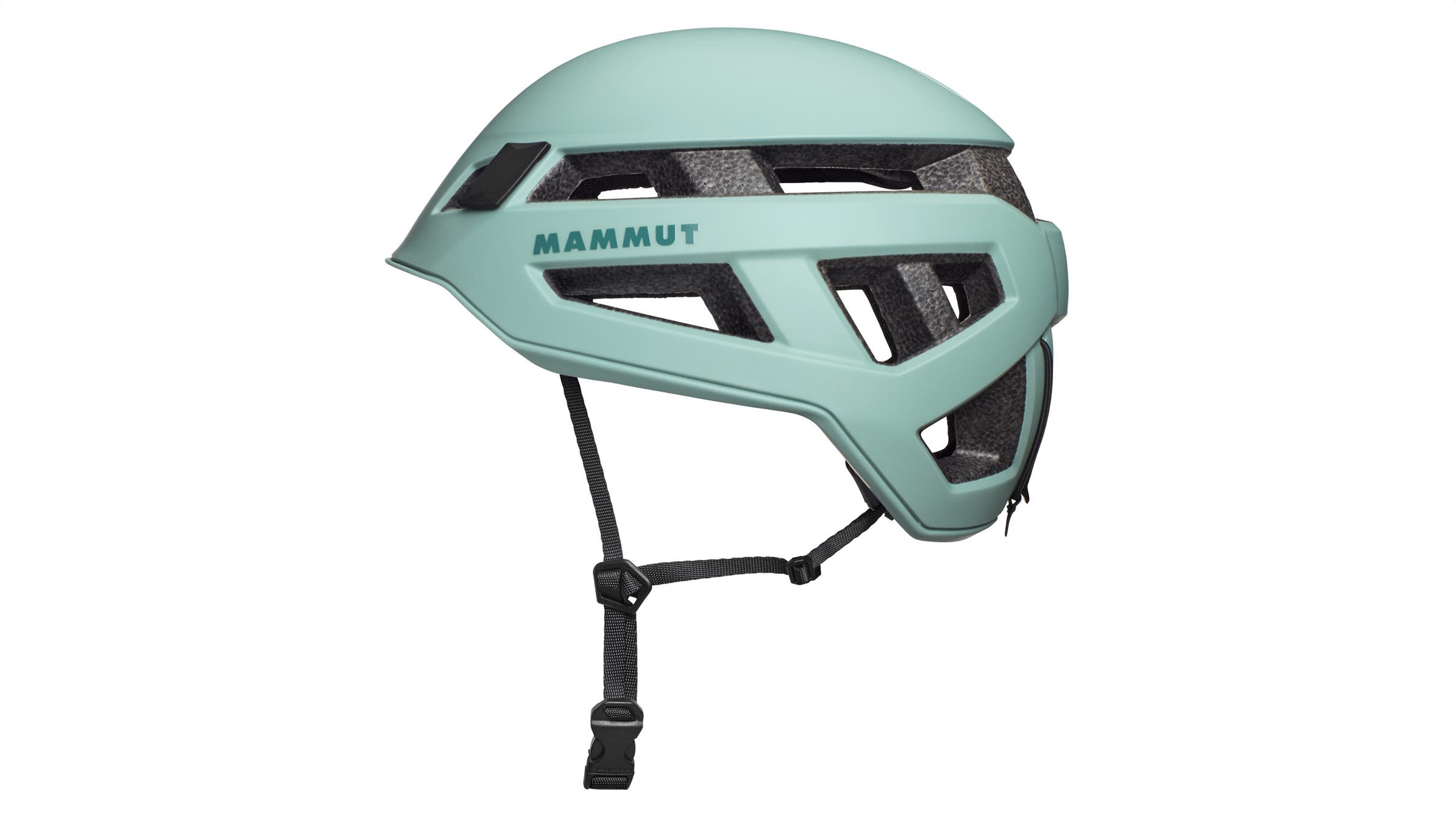
Mammut Crag Sender
Weight: 7.5 oz (S/M); 7.75 oz (M/L)
Size: unisex S/M and M/L
Pros and Cons
+ Breathable
+ Lightweight
– Smaller size range
Climbing’s associate editor and resident big wall enthusiast Sam Macllwaine put the Mammut Crag Sender through the ultimate test: Climbing El Capitan. After wearing it for over 3,000 vertical feet, it has earned a permanent place in her gear closet. “I think this helmet is for someone who’s basically going to live in their helmet and do multi-pitch or single-pitch climbing every day. It doesn’t slip, doesn’t get too itchy, and doesn’t feel too bulky,” she said.
Unlike other helmets she’s tried, the foam inside the Crag Sender didn’t shift or move around. Once she put it on, it stayed put. Made with Kevlar reinforcements, the Crag Sender is designed for durability. The only real wear and tear Macllwaine noticed was the inner forehead padding getting dirty. Good news: The helmet comes with an extra set of padding so you can swap it out and clean it.
With 18 vents, Macllwaine also found the Crag Sender quite breathable. She was able to keep cool while climbing in hot summer temps in Moab. She also appreciated that it was easy to wear a sun hoodie under or on top of the helmet.
ADVERTISEMENT
It’s worth noting that the two sizes of this helmet only fit heads that are 20.5 to 22.5 and 22 to 24 inches in circumference, respectively. This is a smaller size range than other helmets, like the Petzl Borea. If your head size is an outlier on either end of that spectrum, be sure to try on the Crag Sender before purchasing.
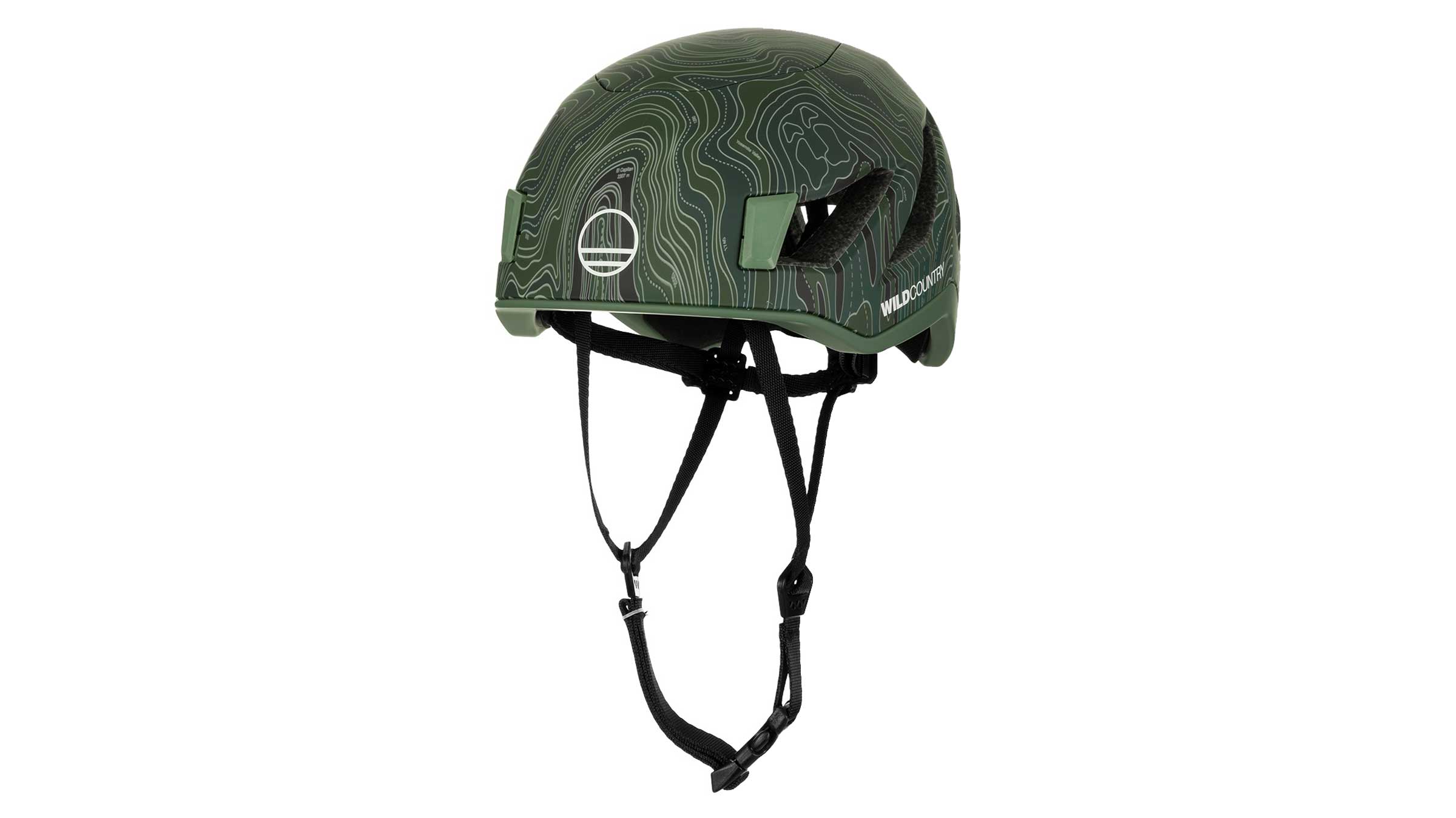
Most Durable
Wild Country Syncro
Weight: 9.2 oz
Size: One size (56-61 cm)
Pros and Cons
+ Good coverage
+ Durable
– Single size offering
– Difficult to adjust while wearing
Despite its lightweight design, testers found Wild Country’s Syncro helmet to be the most durable of the bunch. Climbing guide and big-waller Matthew Pinheiro wore it for over 100 pitches during a 24-hour climbing marathon and reported it survived the adventure unscathed even after a few bumps on overhanging rock. The polycarbonate hard shell is reinforced with a top plate for extra durability. Pinheiro also appreciated that the helmet’s foam is surrounded by a smooth plastic, giving it a finished look for a softshell. Sarah Reynolds, a trad and sport climber from Salt Lake City, liked that the ample ventilation—10 cutouts surrounding the helmet—kept her head cool under Utah’s summer sun.
While the Syncro features a thicker construction, it didn’t weigh testers down. One negative: This helmet only comes in one size, and a few of our testers who usually wear a small found they couldn’t cinch the Syncro tight enough.
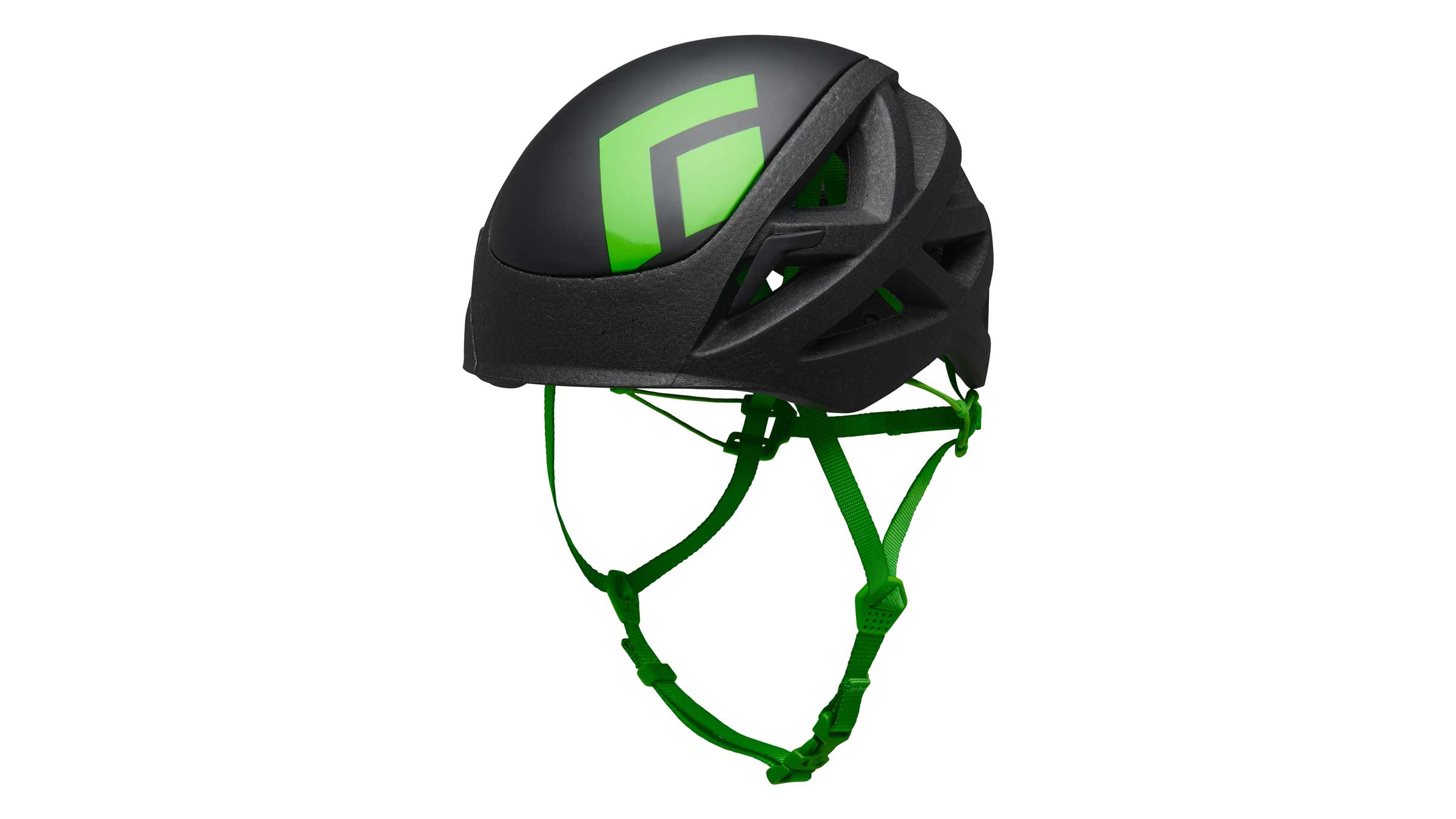
Best Ultralight
Black Diamond Vapor
Weight: 5.5 oz (S/M)
Size: S/M, M/L
Pros and Cons
+ Lightweight
+ Breathable
– Expensive
– May not be suitable for those with smaller heads
Black Diamond’s Vapor is one of the lightest helmets on the market, which takes away the biggest excuse climbers have to not protect their noggins. The 18 triangular cutouts provide superior breathability, with one tester, Anthony Walsh, senior editor of Climbing, finding it comfortable enough to wear on 12-mile glacial approaches in British Columbia. Most helmets have a piece of adjustable plastic that sits on the base of the skull; the Vapor has straps and thin cords instead. This design means you can get a snug, tight fit without plastic pressing into the back of your head.
Tester Claudia Szczepaniak, however, noted that she constantly felt the straps behind her ears and experienced some chafing. “This could be due to having a smaller head and those straps sitting down lower,” she says. If you have a smaller head, it might be worth trying out the helmet in store before purchasing. And of course, the lightweight nature of the Vapor comes at a high cost; at $170, it was one of the most expensive models we tested.

Best Sustainable
Edelrid Zodiac 3R
Weight: 12.8 oz
Size: One size (55-61 cm)
Pros and Cons
+ Sustainably made
+ Comfortable
+ Easy to adjust
– Only comes in one size and one color
Each year Edelrid releases a revised Zodiac 3R, it’s always a few grams lighter than the prior model. But what’s unique about the 3R is that it’s made entirely of recycled materials—the outer polyamide shell is sourced from rope production leftovers, and the inner shell is also made from recycled material. Testers noted that the buckle was easy to manipulate, even with gloves on. We also liked the Wing Fit system, a dial on the back of the helmet that made it easy to adjust the helmet to exactly the size we wanted. That said, the one size might not fit everyone, especially those with smaller heads.

Best for Smaller Heads
Trango Halo
Weight: 7.8 oz (S/M), 225 g (L/XL)
Size: S/M, L/XL
Pros and Cons
+ Comfortable
+ Good ventilation
– Magnetic buckle can be fussy
Tester Natalie Bladis thought the S/M size of the Halo was the best fit she’s ever found for her small, 54-centimeter head. With 20 vents, it’s also the most ventilated helmet we tested, and the 10 mm nylon suspension gives it a barely-there feel on the head. Tester Claudia Szczepaniak appreciated that the adjustments she made to the helmet’s sizing and straps stayed put, even after hours on the wall. “It didn’t loosen over long periods of time on the wall, like some helmets do,” she said. There was debate among testers about the magnetic chin clasp: Bladis and Szczepaniak found it frustrating to use, while Benjamin Rathbun thought it was easy to use with gloves.
The hardshell helmet performed well on the wall, providing Bladis peace of mind on a traverse pitch directly below a roof on the Jelly Roll Arch at Donner Summit. “I was super grateful to have a well-fitting, lower-profile helmet as I crouched below the roof traversing,” she said.
Other Climbing Helmets We Tested
- Mammut Haute Route ($170): This versatile helmet is certified for climbing, biking, and winter sports, making it a good buy if you’re the athlete who does it all and wants to save space in your gear closet. But with a weight of 12.4 ounces, we found ourselves reaching for lighter helmets on long projecting days.
- Singing Rock Hex ($80): This simple hardshell is an adequate basic helmet, but we preferred the padding and ventilation of the Metolius Hardtop, which also comes in at a lower price.
- Petzl Sirocco ($170): This comfortable ultralight helmet (6 oz) will no doubt appeal to climbers who count each and every gram. However, its 2024 redesign made it less comfortable for those with large heads.
- Petzl Boreo/Borea ($75): This helmet just got edged out by the Metolius Hardtop. It nails durability, but at almost 11 ounces, it was one of the heaviest we tested.
- Black Diamond Half Dome ($65): While this hardshell helmet is one of the most affordable on the market, testers reported fit issues and complained about the lack of padding.
How to Choose the Right Climbing Helmet
Hardshell vs. Softshell
The main two categories of climbing helmets are hardshells, with a foam core that’s fully wrapped in a layer of hard plastic, and softshells, which are mostly foam to shed ounces. While they can weigh about half that of hardshells, softshells tend to be more sensitive to abuse. Meanwhile, a hardshell is tougher and generally lasts longer, but can feel heavier and may get sweaty on hot days if the venting system isn’t well designed.
Budget and Weight
The main buying considerations are your budget and how you intend to use the helmet. Hardshells start around $60 and can be thrown around the crag, while softshells are generally more expensive and require some extra care. While you can use either type for your preferred style of climbing, softshells really shine where weight matters—long alpine days or projecting sport routes at your limit.
ADVERTISEMENT
Feature Set and Fit
Other aspects to keep in mind: headlamp clips for climbers that start early or stay out late; how the helmet fits over a beanie for climbing in cold temps; and, of course, whether it’s the right shape and size for your head.
How Long Does a Climbing Helmet Last?
All climbing helmets will come with a sticker inside that states the manufacturing month and year. Helmets generally last 10 years, but the sun’s UV rays degrade the materials in a helmet, so if you climb outdoors frequently, it likely won’t last that long. Any helmet that has been involved in an accident or suffered damage should be retired and replaced immediately.
ADVERTISEMENT
Can You Use a Climbing Helmet for Biking or Other Sports?
Generally speaking, climbing helmets should not be used for biking (and vice versa). They are constructed to do different things: A climbing helmet protects you from objects falling from above, while a biking helmet protects you from impact to hard, planar surfaces. A biking helmet requires much more rear and front protection than climbing helmets provide. Additionally, most biking helmets will have far superior ventilation than those made for climbing. If you’re looking for a multi-sport helmet, find one that’s tested and certified for those activities. Options include the Mammut Haute Route (certified for climbing, biking, and skiing) and the Petzl Meteor (certified for climbing and ski touring).
How We Test Climbing Helmets
- Number of testers: 16
- Number of helmets tested: 15
- Number of vertical feet climbed: 25,250
- Number of pitches climbed: 850
Our testers come from a variety of climbing backgrounds, from trad to sport to big wall climbing. Together, we put these helmets through their paces on walls in Canada, Arizona, Colorado, Illinois, Kentucky, Utah, Missouri, Colorado, and California. We asked testers to evaluate how each performed in terms of durability, comfort, breathability, adjustability, as well as taking price into account.
Meet Our Lead Testers
We assembled a multi-faceted team of testers to put these harnesses through their paces. Lead tester Mary Andino is a PhD, editor, and writer who regularly travels across the Midwest to climb. Primarily a sport climber who loves technical sequences on vert, her favorite crag is Jackson Falls in southern Illinois.
Our weekend warriors included Matthew Pinheiro, a climbing guide and big wall veteran, and Claudia Szczepaniak, a try-hard sport climber located in Rifle, Colorado.
Experts included Anthony Walsh, senior editor at Climbing; Sam Macllwaine, associate editor at Climbing; and Jude Coleman, a self-proclaimed retired dirtbag and frequent Climbing contributor.
