Published January 15, 2026 04:00AM
The Best Vehicles for Average Climber Dirtbags
A veteran vehicle dweller and climber evaluates the pros and cons of rigs more affordable than a sprinter van.
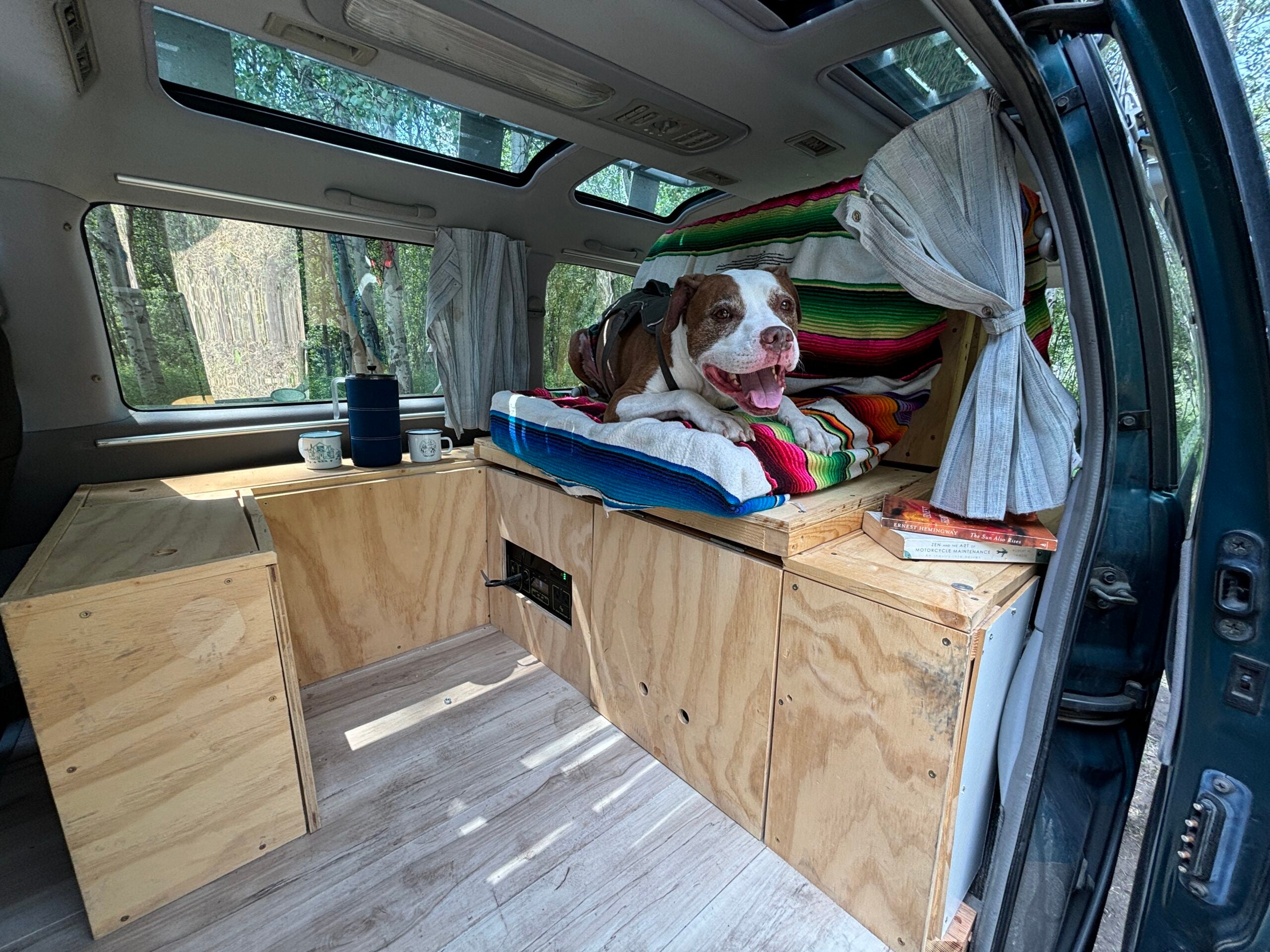
(Photo: Hayden Seder)
In my 12 years as a climber, I’ve owned quite a few different cars. When I bought a 1997 Mitsubishi Delica a few years back, I thought I was investing in the ultimate dirtbag vehicle for long-term adventuring.
After my dad and I spent a week doing a full buildout, I took the van on what should have been the first of many road trips: a 10-day adventure from my home base of Ketchum, Idaho, through Glacier National Park to Banff and Revelstoke and back. But unfortunately, I encountered one problem after another with the Delica.
First, there was the hit to my wallet from the van’s poor fuel economy. Then there was the malfunctioning air conditioning system as I drove through blazing-hot summer wildfire season in Canada and Montana. I wasn’t able to get the A/C fixed for over a year, because the part was so hard to locate.
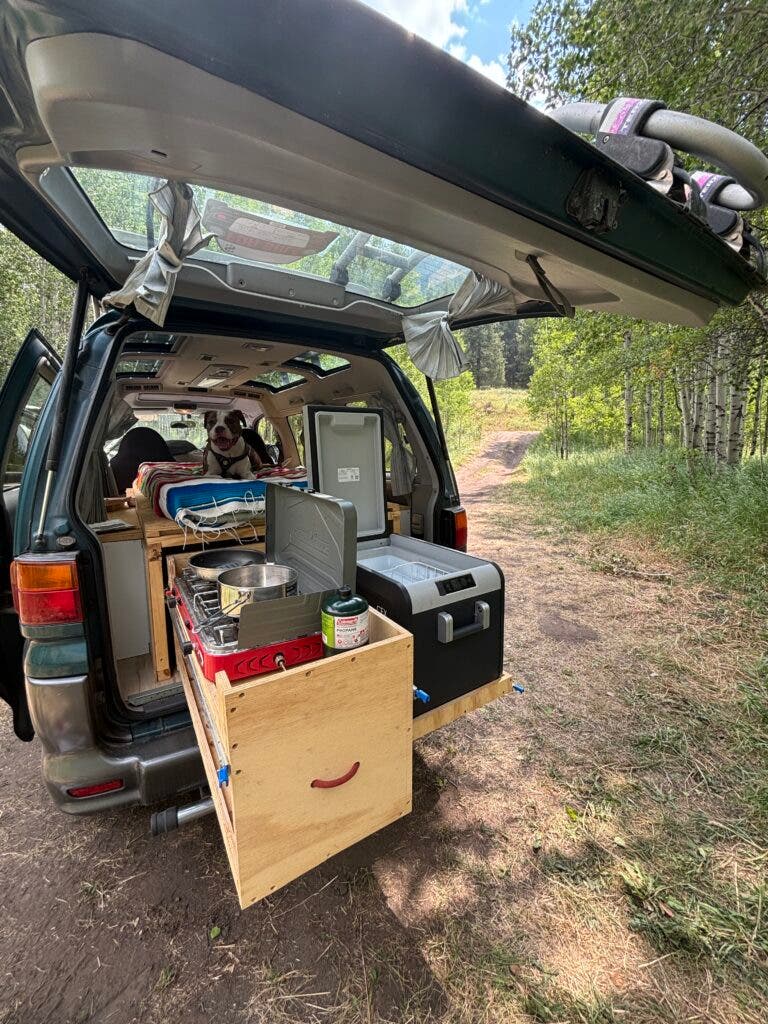
That experience taught me that my “climber mobile” wasn’t as adventure-ready as I’d thought. While I took the Delica on some shorter, closer-to-home climbing trips, its many problems convinced me to sell and get myself a Subaru Outback, which I’ve been loving ever since.
ADVERTISEMENT
Beyond the Delica and Subaru, all manner of dirtbag-friendly vehicles exist. Whether you just want a good vehicle to reach the crag, are living full-time out of your car, or are camping out of your vehicle for weeks at a time, minivans, electric vehicles, sedans, SUVs, and more options can all work.
Of course, many climbers fantasize about a fancy custom Sprinter van like all the pros seem to have. But not everyone can afford a $50,000-plus dream machine. So for the rest of us, I’ve compiled a list of the best dirtbag vehicles for climbers, in order from cheapest to most costly.
The best dirtbag vehicles for climbers, from cheapest to priciest
Honda Element
While Honda discontinued the Element in 2011, they remain very popular with many a dirtbag, from climbers and surfers to your average live-in-your-car-year-round variety. The car’s plastic floors and water-resistant seats help keep it clean while adventuring. Unfortunately, there really isn’t a comparable compact-style SUV to the Honda Element if you’re looking for a newer vehicle.
Price: $9,000–$15,000 used, on average
MPG: 20 city/25 highway
Pros:
- Interior seats fold flat to create a bed or large, flat cargo area
- Square shape leads to interior versatility
- Lots of potential for customizing
- AWD
Cons:
- Poor gas mileage
- Limited seating
- Challenging to find parts for discontinued vehicle
Make it dirtbag: The company Fifth Element creates products specifically for the Honda Element that turn it into the ultimate overlanding vehicle. Their full kit includes a convertible bench-to-bed, desk area, kitchen unit, and optional add-ons of a bike rack and custom bed cushions. Many Element lovers also just create their own DIY build. Popular add-ons include a rooftop tent or roof racks and storage boxes.
ADVERTISEMENT
Mitsubishi Delica
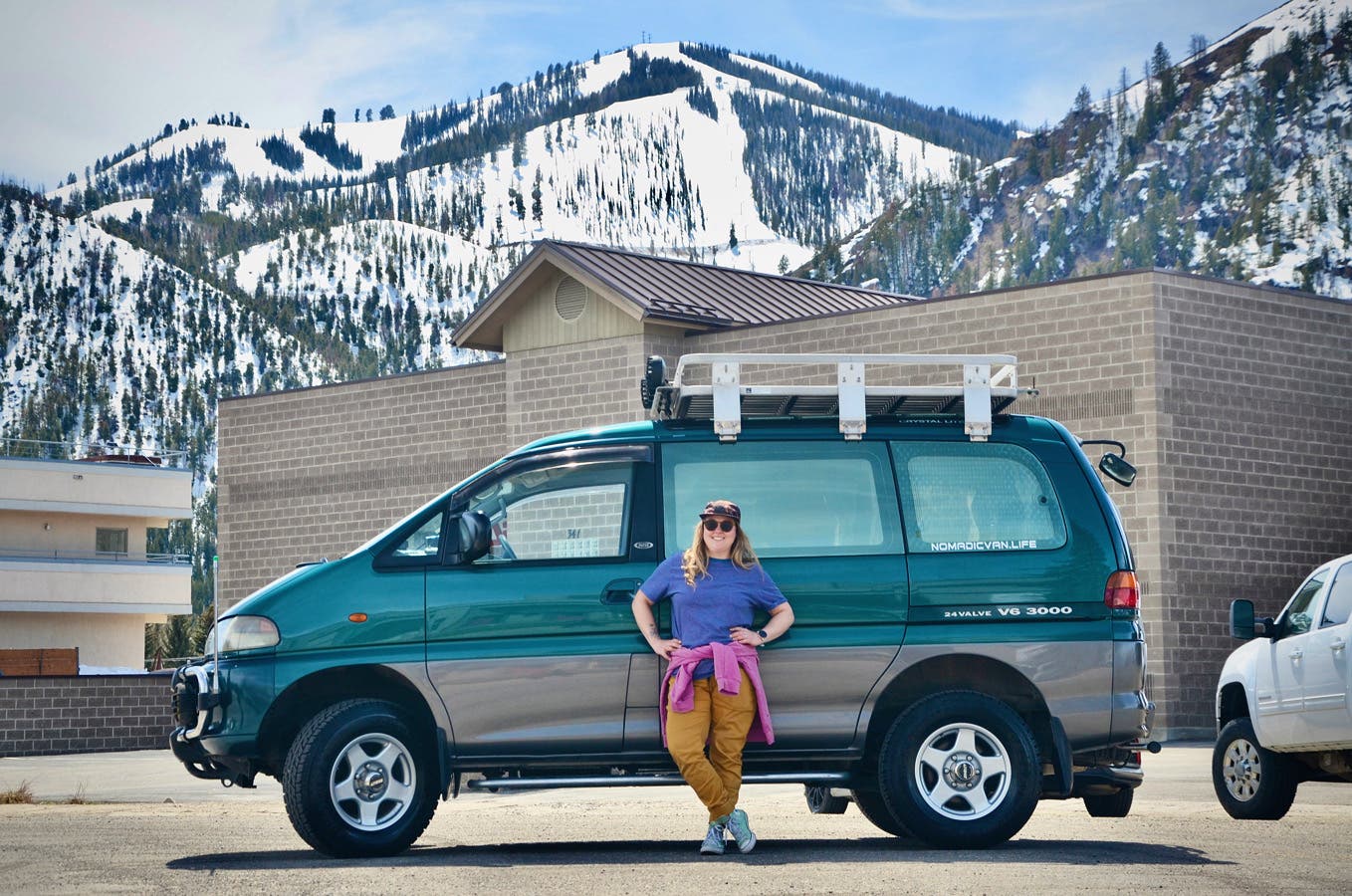
Delicas are relative newcomers to the climbing scene in the last 10 years, thanks to the U.S.’s 25-Year Rule on foreign-made cars, which means Delicas couldn’t be imported until they were at least 25 years old. These retro Japanese vans are made for adventuring and are increasingly considered one of the best dirtbag vehicles for climbers. Mitsubishi Delicas feature lots of funky quirks as well, like optional red light mode for your interior lights. While the Delica has been growing in popularity, as I stated above, the cons outweighed the pros for me.
Price: $4,000–$25,000 used, on average
MPG: 16–23
Pros:
- High clearance
- 4×4
- All-terrain mode
- Built-in ladder on most for access to roof/roof rack
Cons:
- Poor gas mileage
- Challenging to find parts for discontinued vehicle
Make it dirtbag: These vans are highly customizable. Remove some seats or leave them in. Do a full buildout or partial. Add solar panels to the roof or a Goal Zero to charge off of your alternator. A Mitsubishi Delica is your oyster.
ADVERTISEMENT
Toyota Prius
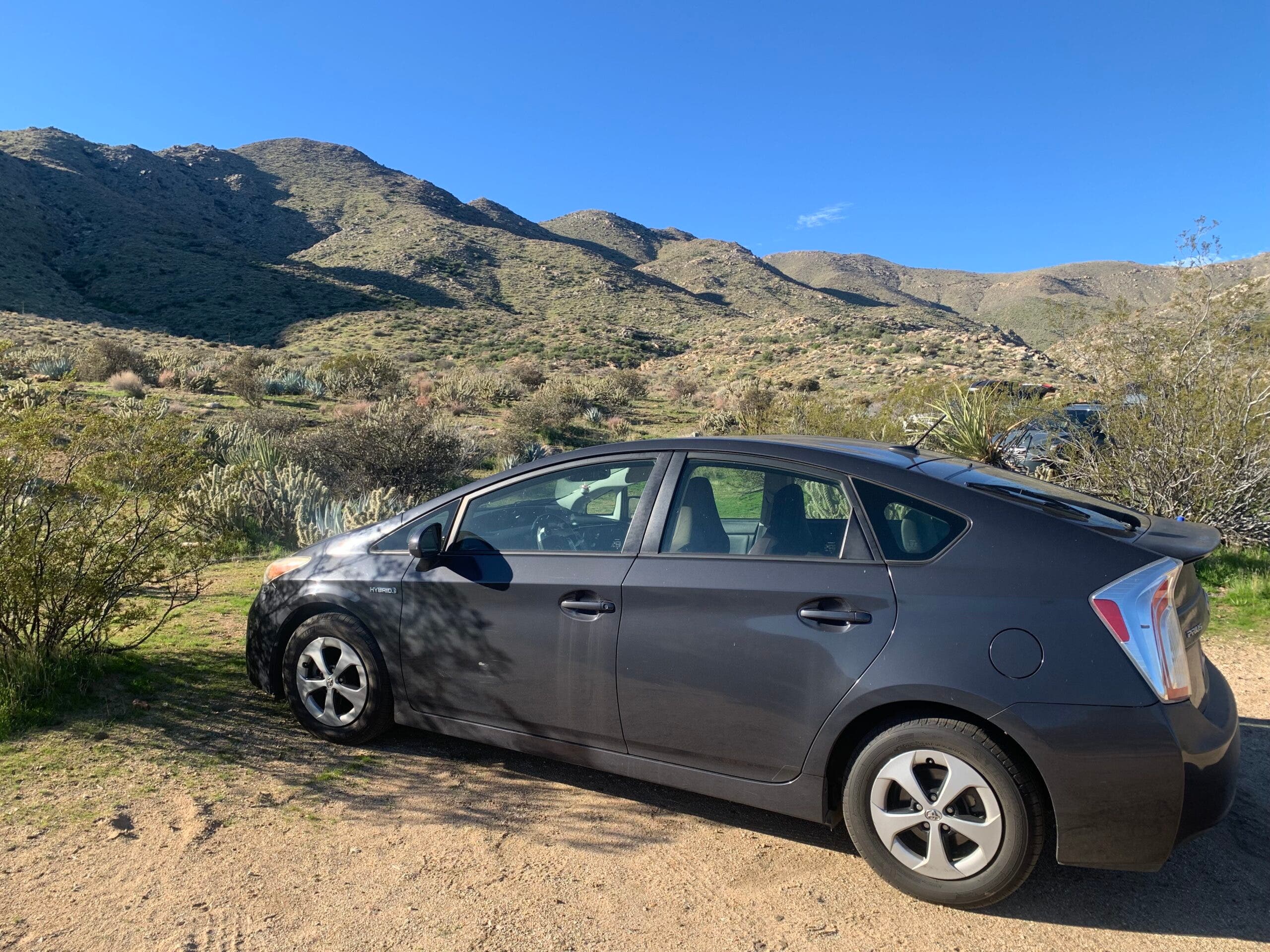
The Toyota Prius might be a surprising addition to this list to some, but as a relatively affordable hybrid vehicle, it’s worth considering whether you can make it fit your dirtbag lifestyle. It may be among the most uncool cars out there, but dirtbags often take pride in swimming against the tide (and with gas mileage like that, who cares what the other dirtbags think?). Certain models offer AWD as well, making their off-road handling surprisingly decent, according to a number of comments from drivers on Reddit.
Price: Starting at $28,550 new ($5,000–$20,000 used, on average)
MPG: 49–57
Pros:
- Hybrid engine means great gas mileage
- Rated high in reliability (fewer repairs)
- Better for the environment
- Decent space when seats folded down
- Low maintenance costs
Cons:
- Low clearance
- Drives slow/slow acceleration
- Poor handling of rough roads/bad weather conditions
Make it dirtbag: If you don’t want to sleep in a tent while camping, get a lightweight rooftop tent setup, like TentBox. Getting a lift kit isn’t a bad idea either to get more clearance. Consider looking for an AWD model and adding all-terrain tires or a roof storage rack as well for better performance in the mountains.
ADVERTISEMENT
Toyota Tacoma
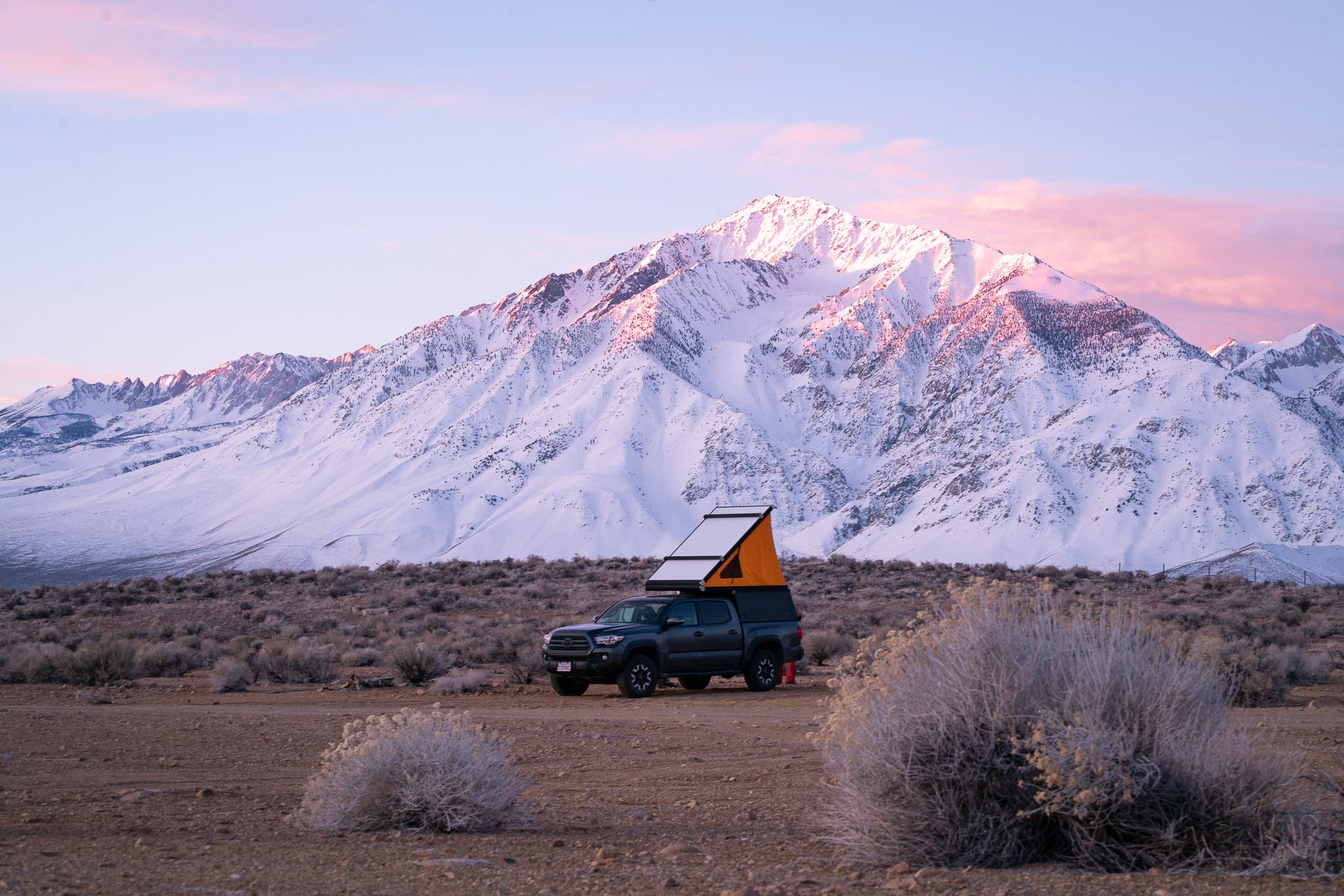
A gold standard within the climbing community when it comes to trucks, the Toyota Tacoma is a rugged pickup that will not only get you to the crag but also through your heartiest adventures. Many Tacoma-driving climbers engineer a sleep setup in the truck bed, but a slide-in camper or rooftop tent are also solid options.
Price: Starting at $32,000 new ($12,000–$27,000 used, on average)
MPG: 20–23
Pros:
- High clearance
- 4×4
- Handles snow well
- Good resale value
Cons:
- Poor gas mileage
Make it dirtbag: Buy a camper top if you’d like to sleep in the back. If you want to go even further, get a very lightweight truck camper to put on the back. If you maximize space by sleeping in the truck bed, consider building a wooden platform to sleep on. Though you’ll lose moving-around space, you can design it so you can slide low-volume gear bins underneath it.
ADVERTISEMENT
Subaru Outback
A Subaru Outback is the ideal car for those who don’t necessarily want to live in their climber vehicle but want to reach climber destinations, drive around town, maybe take a road trip here and there . . . It’s the outdoorsperson’s multi-purpose vehicle.
Price: Starting at $34,995 new ($15,000–$22,000 used, on average)
MPG: 26 city/32 highway
Pros:
- Seats fold down flat for sleeping/storage
- Anyone shorter than six feet tall can sleep comfortably inside it
- Great gas mileage
- AWD
- Relatively good clearance and off-road capability for the class
- Top scores in safety
- Handles snow well
Cons:
- No 4×4
- Moderate clearance
Make it dirtbag: Add a storage box or two to the roof. Consider a lift kit if the current clearance isn’t going to get you to the more remote crags and camping areas you plan to explore. To maximize your space, sleep on a pad in the back (and remove gear at night for sleeping).
ADVERTISEMENT
Toyota Sienna
The Toyota Sienna minivan is a great option for anyone who wants a functional everyday car, but also has lots of gear and/or family members and/or car-less buddies. With this minivan, you can easily access gear. If you’re sleeping in the van, no need to get out and schlep around to the back to get in your bed. That makes the Sienna a good pick for climbers who plan to live out of their vehicles in colder weather, or where inclement weather is common (looking at you, Pacific Northwesterners).
Price: Starting at $40,000 new ($14,000–$30,000 used, on average)
MPG: 36
Pros:
- Practical for everyday driving
- Lots of space
- Different seat configuration options
- Roof rails for adding storage racks
- Good towing capacity
- AWD
- Newer models feature a 3,500 lb. tow hitch, kick-activated doors, and a 1,500-watt power outlet for gear
Cons:
- Low clearance
- Moderate gas mileage
Make it dirtbag: These vans are meant to fit seven or eight people and come with a variety of seating, depending on your model. From captain’s chairs to bench seats, you’ll have lots of options in terms of how much seating you remove and what kind of seats to add. Leave some for the kids or take them all out and fill the whole space with a living setup and/or gear. Also consider getting a lift kit and good all-terrain tires to increase your clearance a few inches and boost off-road performance.


